
Craven County Estate Record Access
Craven County probate court records are maintained by the Clerk of Superior Court in New Bern, the county seat and former colonial capital of North Carolina. The Estates Division handles all probate filings, including wills, letters testamentary, estate inventories, guardianship cases, and administration proceedings. Craven County has a long history, and its probate court records span centuries of estate activity. You can search for, review, and obtain copies of these records at the courthouse during regular business hours. The staff provides assistance with record requests and new estate filings.
Craven County Quick Facts
Craven County Clerk of Superior Court
The Craven County Clerk of Superior Court acts as the judge of probate for the county. This office has jurisdiction over estate proceedings, guardianships, and the probate of wills. The courthouse is in New Bern, a city with deep colonial roots. All residents of the county, including those in Havelock, Trent Woods, River Bend, and Vanceboro, file estate matters at this location.
The Estates Division processes all applications and maintains complete estate case files. The office provides standard court forms for filing and can explain the steps involved. Staff cannot offer legal advice but can answer procedural questions. The clerk keeps a comprehensive archive of every probate case filed in Craven County.
The Craven County court page shows available services and contact details.
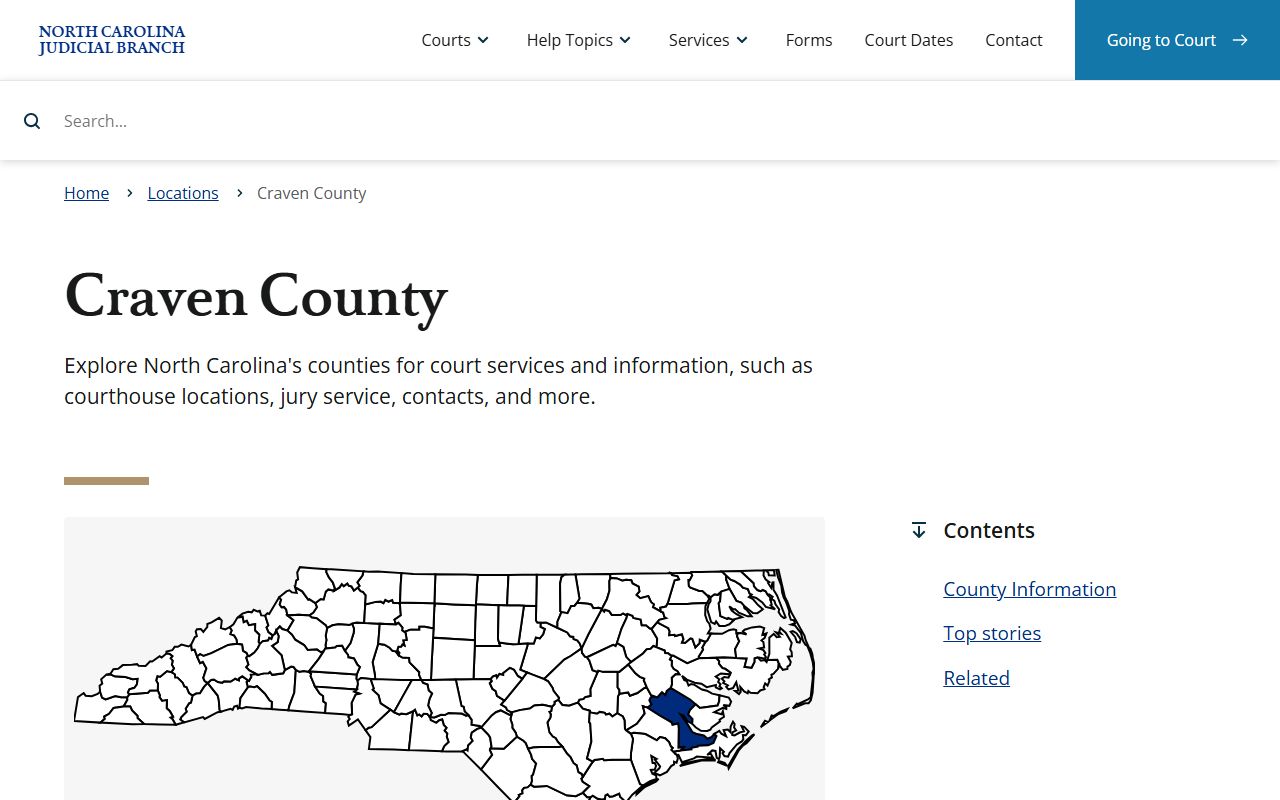
This page details the court services available in Craven County.
| Court |
Craven County Clerk of Superior Court New Bern, NC 28560 Phone: (252) 514-4700 |
|---|---|
| Hours | Monday through Friday, 8:00 AM to 5:00 PM |
| Website | nccourts.gov/locations/craven-county |
How to Find Craven County Probate Records
You can search for Craven County probate court records online or at the courthouse. The NC eCourts portal at nccourts.gov provides free basic case lookups. Enter a name or case number to view results. Document copies require contacting the clerk.
At the courthouse in New Bern, bring a valid photo ID. The clerk can search by the name of the deceased, the personal representative, or the case number. You can review the full case file and request both plain and certified copies. Certified copies cost more than plain copies and are needed for most legal purposes.
The courthouse building page shows details about the Craven County courthouse location.
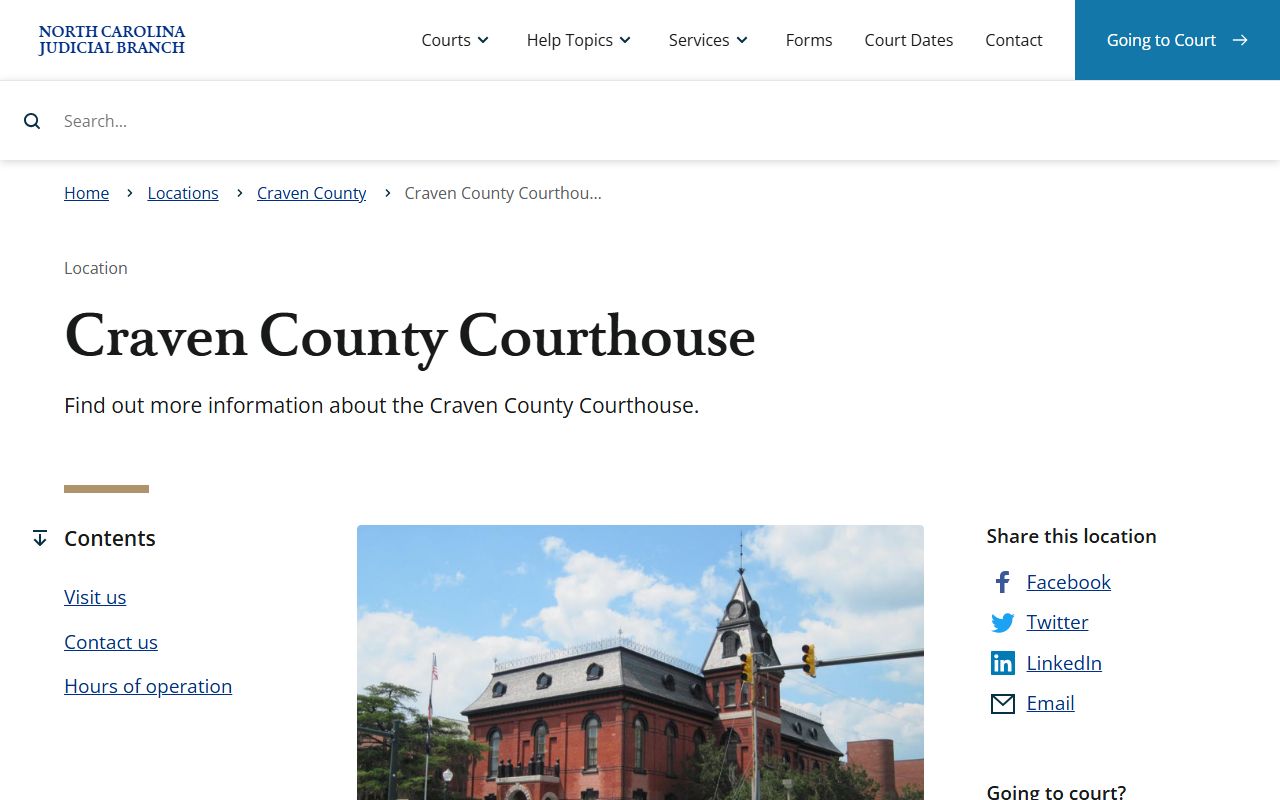
Check this page for hours and directions before visiting the New Bern courthouse.
Note: Not all older Craven County probate records are available in the online system. Visit the courthouse for a complete search.
Craven County Estate Administration Process
Opening an estate in Craven County begins with an application at the clerk office. You need the original will, a certified death certificate, and details about assets and heirs. The clerk uses Form AOC-E-201 for testate estates. Under N.C.G.S. Chapter 28A, the clerk handles estates in the county where the deceased lived.
The representative takes an oath and may post bond. The clerk issues letters that provide legal authority. A Notice to Creditors is published for four weeks. Creditors have 90 days to file claims. An inventory is due within 90 days of qualification. The representative then manages debts, taxes, and distributions.
Annual accounts are filed with the clerk until the estate closes. A final account wraps up the case. Simple estates in Craven County take about six to nine months. Complex or contested estates may take one to two years or more.
Craven County Probate Court Fees
Craven County uses the state fee schedule set by N.C.G.S. 7A-307. The base fee is $120. An administration fee of 0.4% of gross estate value applies, capped at $6,000. Certified copies are about $5 each.
Newspaper publication costs $50 to $150. Bond premiums vary. Attorney fees typically range from 2% to 4% of the estate value. Personal representative compensation can reach 5% of estate receipts and disbursements. All expenses come out of the estate.
Note: Contact the Craven County clerk at (252) 514-4700 for the latest fee information before filing.
Small Estates in Craven County
Heirs may use a small estate affidavit if personal property is $20,000 or less. The limit is $30,000 for a surviving spouse who is sole heir. This follows N.C.G.S. 28A-25-1.
File Form AOC-E-203B with the Craven County clerk. Bring a death certificate, photo ID, itemized asset list, and the will if one exists. Wait at least 30 days after the death. The filing fee is $120. This covers personal property only. Real estate transfers require full probate in Craven County.
Historical Craven County Estate Records
Craven County has deep roots in North Carolina history. Originally a precinct of the colony, it has held court records since the early 1700s. New Bern served as the colonial capital. Estate records from the colonial period name early settlers, describe their property, and list their families. Wills from before 1760 may be found in the Secretary of State Papers at the North Carolina State Archives.
The courthouse in New Bern holds post-1868 estate records. Pre-1868 records are on microfilm at the State Archives in Raleigh. The FamilySearch wiki is a good starting point for locating historical North Carolina probate records.
The contact directory shows the Craven County staff who handle records requests.
Reach out to the listed staff members for help with your records search.
Cities in Craven County
Craven County includes New Bern, Havelock, Trent Woods, River Bend, Vanceboro, Bridgeton, and Dover. All probate cases are handled at the Clerk of Superior Court in New Bern. The courthouse serves every community in the county.
Nearby Counties
These counties are near Craven County. Probate filings must go to the county where the deceased lived at the time of death.