
Search North Carolina Probate Court Records
North Carolina probate court records are kept by the Clerk of Superior Court in each of the state's 100 counties. These records cover wills, estate files, guardianships, and other probate matters handled at the county level. The Clerk acts as the judge of probate and maintains all estate filings for public access. You can search probate court records in North Carolina online through the eCourts portal, by mail, or in person at your local courthouse. This guide covers how to find and obtain probate court records across North Carolina.
North Carolina Probate Court Records Quick Facts
Where to Find North Carolina Probate Court Records
The Clerk of Superior Court in each county is the main source for probate court records in North Carolina. This office handles all estate matters. The Clerk acts as the ex officio judge of probate under North Carolina law. All wills, estate files, guardianship papers, and related court documents are stored at the county courthouse. You can visit in person or look up some records through the NC Judicial Branch online portal. The portal lets you search court records, check court dates, and make payments from home.
Probate court records in North Carolina include several types of documents. Wills are filed with the Clerk when a person dies. Letters testamentary give the named executor the right to act on behalf of the estate. Letters of administration serve the same purpose when there is no will. The Clerk also keeps estate inventories, annual accounts filed by the personal representative, and final settlement reports. All of these are part of the probate court record in North Carolina. Access to these records is open to the public during regular business hours at any county courthouse.
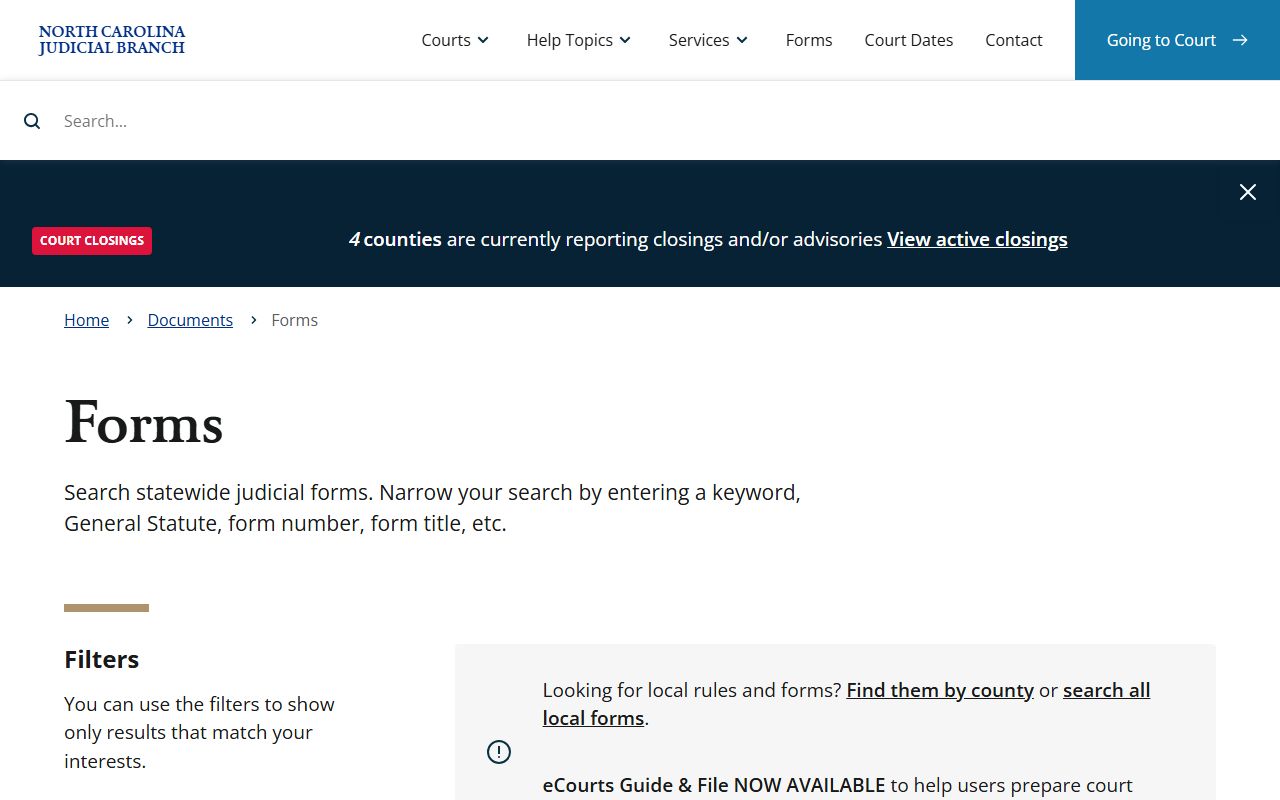
The NC Judicial Branch forms page has over 1,120 forms available for court proceedings. Estate forms start with the AOC-E prefix. Form AOC-E-201, the Application for Probate and Letters Testamentary, is the most common starting point for opening an estate in North Carolina.
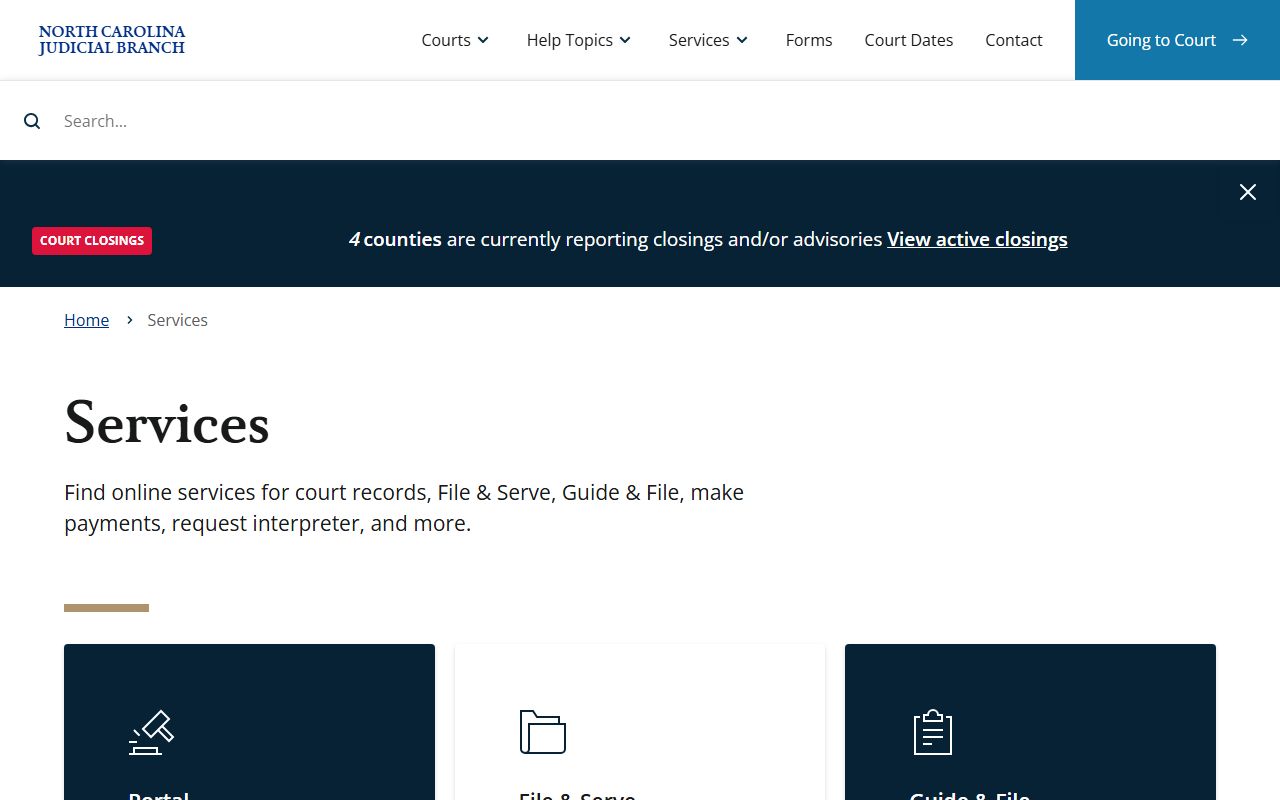
Note: Cases created before October 9, 2023 may not appear in the online portal for some North Carolina counties.
How to Search Probate Court Records in North Carolina
North Carolina offers several ways to look up probate court records. Online access is the fastest method. The eCourts portal at nccourts.gov lets you search by party name or case number. You can find basic case details at no cost. The system covers all 100 counties. For copies of actual documents, you need to contact the county Clerk or visit the courthouse in person.
In-person searches work well when you need the full probate court record. Go to the Clerk of Superior Court in the county where the estate was filed. Staff can help you find records. Most offices are open Monday through Friday from 8:00 AM or 8:30 AM to 5:00 PM. Bring a valid photo ID. The Clerk can search by the name of the deceased or by case number. Certified copies of probate court records cost about $5 per copy in North Carolina. Plain copies cost less.
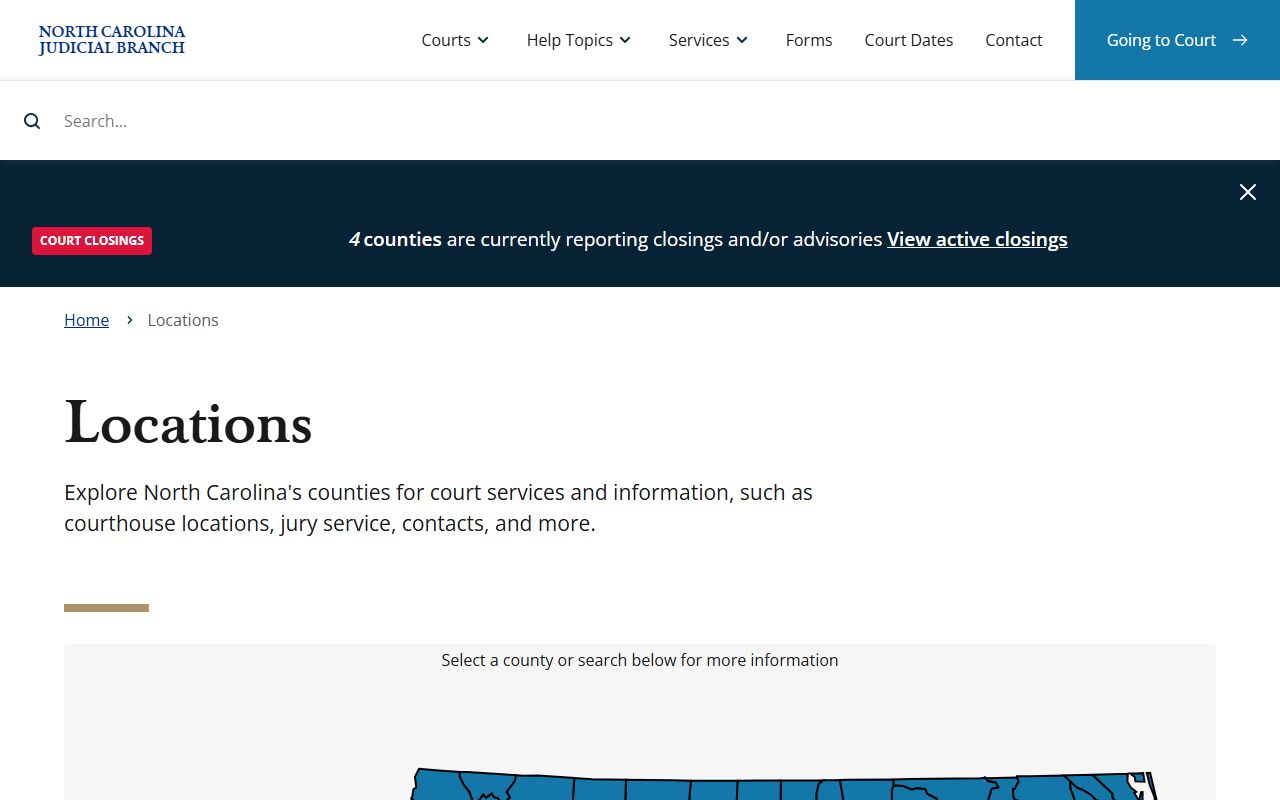
The NC Judicial Branch also offers the Guide and File service and the File and Serve system. These tools help you prepare and file court documents online. You can file estate papers, pay fees, and get status updates by email. The NC Court Locations Directory helps you find the right courthouse for your probate court records search in North Carolina.
To search probate court records, you will need:
- Full name of the deceased person
- County where the estate was filed
- Year of death or filing if known
- Case number if you have it
North Carolina Probate Court Records and Estate Process
The estate process in North Carolina has three stages. First, the personal representative gathers the assets of the deceased. Second, the representative pays creditors and handles tax matters. Third, the remaining assets go to the people named in the will or to the heirs under state law. Each step creates probate court records that the Clerk maintains at the county courthouse.
A person who dies with a valid will in North Carolina is said to have died "testate." The person named in the will to handle the estate is the executor. When there is no will, the person dies "intestate," and the court appoints an administrator. Both roles carry the same duties. The personal representative must file an inventory within 90 days of qualification. They must also publish a Notice to Creditors once a week for four weeks in a local paper. Creditors then have 90 days to file claims against the estate. All of these filings become part of the probate court records in North Carolina.
The process can be short or long. Simple estates may close in six to nine months. Complex or contested estates can take several years. The Clerk of Superior Court oversees every step and keeps all records on file.
Probate Court Record Fees in North Carolina
Filing fees for probate court records in North Carolina follow a set schedule under N.C. Gen. Stat. § 7A-307. The Clerk of Superior Court collects a $120 application fee to open an estate. There is also an estate administration fee of 0.4% of the gross estate value. This fee has a cap of $6,000. Certified copies of Letters Testamentary or Letters of Administration cost about $5 per copy.
Publishing a Notice to Creditors in a local paper costs between $50 and $150 in most North Carolina counties. Some papers charge up to $400 based on their size. The personal representative must also post a bond unless the will waives it or all heirs agree. Surety companies charge 0.5% to 1% of the bond amount each year. North Carolina allows up to 5% of the estate's total receipts and payments as pay for the personal representative.
Note: Fees can change, so call the Clerk of Superior Court in your county to confirm current costs for probate court records in North Carolina.
Small Estate Probate Records in North Carolina
North Carolina allows heirs to collect personal property without full probate when the estate is small. This is called the Collection by Affidavit process under N.C. Gen. Stat. § 28A-25-1. A surviving spouse who is the sole heir can use this method for estates up to $30,000. All other applicants can use it for estates up to $20,000. The applicant must wait at least 30 days after the date of death before filing.
The small estate affidavit is Form AOC-E-203B from the NC Administrative Office of the Courts. You file it with the Clerk of Superior Court in the county where the deceased lived. Required items include a certified death certificate, the original will if one exists, bank statements, vehicle titles, a list of heirs, and a photo ID. The filing fee is $120 in most North Carolina counties. This creates a probate court record even though full estate administration is not needed.
The small estate process does not work in every case. It does not apply when real property must be sold within two years of the death. It also does not apply when the estate value is above the set limits. If the estate is too large, full probate is required.
Historical Probate Court Records in North Carolina
North Carolina has probate court records going back hundreds of years. Before 1760, the colony kept wills in the Secretary's Office. By 1760, county courts took over most probate duties. Counties have kept all probate court records since 1868. Most counties have wills and estate papers dating from the 1740s and 1750s. The NC State Archives holds microfilm of original pre-1868 probate records.
Researchers looking for old probate court records should check the county where the person lived at death. County courthouses keep wills in Will Books. Estate papers like bonds, inventories, and accounts may be filed by case. The FamilySearch Wiki on North Carolina Probate Records is a good starting point for genealogy research. It lists what records exist for each county and where to find them.
Are Probate Court Records Public in North Carolina
Yes. Probate court records are public in North Carolina. The North Carolina Public Records Act under N.C.G.S. Chapter 132 gives citizens the right to access government records. This includes all probate court records at the Clerk of Superior Court. You do not need to be a family member or heir. Anyone can request to view estate files, wills, inventories, and other probate documents.
Some limits apply. The court may seal certain records when good cause is shown. Sealed probate court records are rare in North Carolina. Social Security numbers and financial account numbers are usually redacted from public copies. Contact the Clerk of Superior Court in the county where the estate was filed to request access to probate court records.
Browse North Carolina Probate Court Records by County
Each county in North Carolina has its own Clerk of Superior Court that keeps probate court records. Pick a county below to find local contact info and resources for probate court records in that area.
Probate Court Records in Major North Carolina Cities
Residents of major cities file estate matters at their county courthouse. Pick a city below to learn about probate court records in that area.