
McDowell County Estate Records
McDowell County probate court records are kept by the Clerk of Superior Court in Marion. Residents and researchers can search for wills, estate filings, and guardianship records at the courthouse. The county sits in the western mountains of North Carolina and has served its communities since 1842. Whether you need a copy of a will or want to look up an estate case, the clerk's office in Marion can help you find what you need. Searching these probate court records is open to the public during regular business hours.
McDowell County Quick Facts
McDowell County Clerk of Superior Court
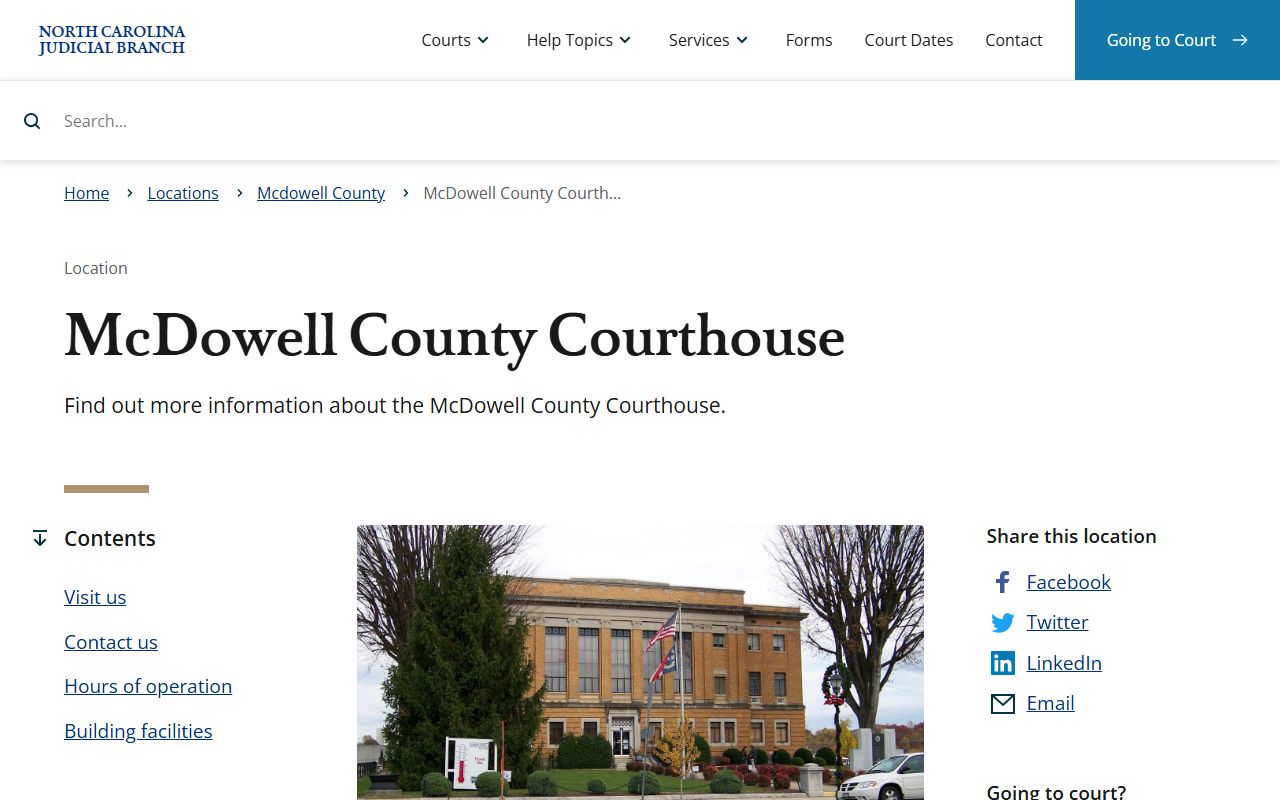
The Clerk of Superior Court handles all probate court records in McDowell County. This office processes estate filings, stores wills, and issues letters testamentary and letters of administration. Staff at the courthouse can help you locate both old and new estate cases. The courthouse at 21 S Main St in Marion is the sole location for all probate matters in McDowell County. The building has wheelchair access and an elevator for those who need it.
McDowell County was formed in 1842 from Burke County and Rutherford County. It was named after Joseph McDowell, a soldier in the American Revolutionary War who fought at the Battle of Kings Mountain. The clerk serves as the ex officio judge of probate, with authority over wills, estate administration, guardianships, and conservatorships. All cities and towns within the county file probate court records at this one location in Marion.
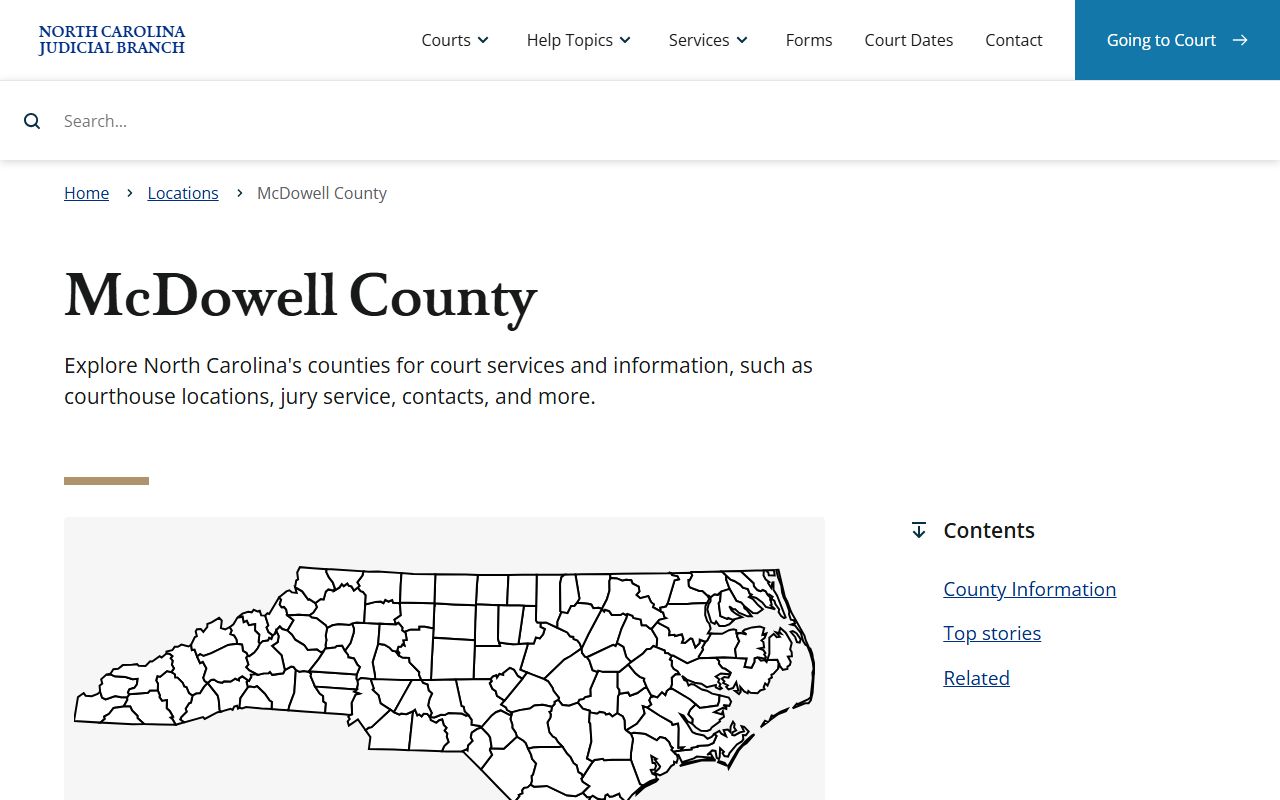
The McDowell County Clerk of Superior Court website on the NC Judicial Branch portal shows current contact details and court schedules for probate court records.
| Court |
McDowell County Clerk of Superior Court McDowell County Courthouse 21 S Main St Marion, NC 28752 Phone: (828) 655-4100 |
|---|---|
| Hours | Monday through Friday, 8:30 AM to 5:00 PM |
| Website | nccourts.gov/locations/mcdowell-county |
Searching McDowell County Probate Records
You can search for probate court records in McDowell County in person at the courthouse in Marion. Visit the Clerk of Superior Court office during business hours to request a search. Staff will look up estate cases by the name of the deceased person or by case number. Bring a valid photo ID when you visit. You may also call the clerk at (828) 655-4100 to ask about a specific case before you make the trip.
The North Carolina eCourts portal gives access to court records across all counties. You can search by party name or case number to find probate court records filed in McDowell County. Basic case details are free to view on the portal. For copies of actual documents like wills or letters testamentary, you will need to contact the clerk or visit the courthouse. Go to nccourts.gov to start your search.
Note: Some older McDowell County probate court records may not be in the online system. Cases filed before the digital conversion may require an in-person visit to search.
To search probate court records in McDowell County, you generally need:
- Full legal name of the deceased person
- Approximate date of death or year the estate was opened
- Case number if you have it
- Your valid photo ID for in-person requests
McDowell County Estate Administration
Opening an estate in McDowell County begins at the Clerk of Superior Court office in Marion. The process starts when someone brings the original will and a certified death certificate to the clerk. The clerk reviews the will and determines how to proceed. If there is no will, the estate is handled as an intestate matter. In both cases, the clerk appoints a personal representative to manage the estate. That person must take an oath in the McDowell County courthouse before they can act on behalf of the estate.
The personal representative has several duties under North Carolina law. They must file an inventory of all estate assets within 90 days of qualifying. They must publish a Notice to Creditors in a local newspaper once a week for four weeks. Creditors then have 90 days from the first notice to file claims against the estate. The representative must also file annual accounts with the McDowell County clerk showing how estate funds were managed. These steps create the probate court records that become part of the public file.
North Carolina offers two paths for probating a will. Common form probate does not require a hearing, but it can be challenged for up to three years. Solemn form probate includes notice to all heirs and a hearing before the clerk, making it final right away. The choice depends on the family situation and the complexity of the estate in McDowell County.
After all debts are paid and the creditor period has passed, the remaining assets go to the beneficiaries named in the will or to the heirs at law if there is no will. The personal representative files a final account with the McDowell County clerk. Once the clerk approves it, the estate is closed. Simple estates may wrap up in six to nine months. More involved cases can take a year or longer.
Probate Court Fees in McDowell County
McDowell County follows the standard North Carolina fee schedule for estate matters. The Clerk of Superior Court collects fees when you file an estate case. These fees help cover court costs tied to probate court records and administration. Call the clerk to confirm current rates before you file in McDowell County.
The main fees for estate cases in McDowell County include:
- Application to open an estate: $120
- Estate administration fee: 0.4% of probate value, up to $6,000
- Certified copies of letters: about $5 per copy
- Publication of Notice to Creditors: $50 to $150
- Bond premium: varies based on estate size
Unless the will waives it, the personal representative must post bond in McDowell County. The bond protects creditors and heirs if the representative mishandles estate funds. Surety companies typically charge 0.5% to 1% of the bond amount each year. If you have low income, you may apply for a fee waiver by filing a Petition to Proceed as an Indigent with the court.
McDowell County Small Estate Affidavit
Not every estate in McDowell County needs full probate. North Carolina law allows a simpler process for small estates through the Collection by Affidavit method. This avoids the cost and time of formal probate court records for modest estates.
You can use a small estate affidavit in McDowell County if the deceased person's personal property is worth $20,000 or less. If the applicant is the surviving spouse and sole heir, the limit goes up to $30,000. You must wait at least 30 days after the date of death before filing. The affidavit cannot be used when real property needs to be sold within two years of death. You file the affidavit with the McDowell County Clerk of Superior Court using Form AOC-E-203B from the NC Administrative Office of the Courts.
Note: Even with a small estate affidavit, you still need to bring a certified death certificate, the original will if one exists, an itemized list of assets, a photo ID, and the $120 filing fee to the McDowell County clerk.
Historical Probate Records in McDowell County
McDowell County has kept probate court records since its founding in 1842. Early records include wills, estate inventories, administration bonds, and guardianship papers. These documents name the deceased, their heirs, and any guardians appointed for minor children. Researchers tracing family history in the western mountains often find these records helpful.
The McDowell County courthouse holds probate court records from 1842 to the present. For records that predate the county, you may need to check Burke County or Rutherford County, since McDowell was carved from those two counties. The North Carolina State Archives in Raleigh holds microfilm copies of many older estate records. Pre-1868 records are available in the State Archives' Reading Room. You can visit the archives at archives.ncdcr.gov or contact them for research help.
The county covers 445 square miles in the mountains of western North Carolina. Marion, the county seat, has served as the hub for all court activity since 1842. The area grew around timber, mining, and agriculture, and the probate court records from those early decades reflect the property and assets common to the region at that time.
Browse Nearby Counties
These counties border McDowell County or sit close by. If you are not sure which county handles your probate case, check the address where the deceased person lived. Probate court records must be filed in the county where the person was domiciled at the time of death.