
Lincoln County Estate Probate Records
Lincoln County probate court records are on file at the Clerk of Superior Court in Lincolnton. These records include wills, estate inventories, letters testamentary, guardianship papers, and court orders related to estate proceedings. Searching probate court records in Lincoln County can help with settling estates, clearing property titles, or tracing family connections. The county has maintained estate records since 1779, giving researchers access to nearly 250 years of documented history.
Lincoln County Quick Facts
Lincoln County Clerk of Superior Court
The Clerk of Superior Court in Lincoln County acts as the judge of probate. This office manages all estate filings, will admissions, and guardianship proceedings. The Estates Division maintains probate court records and assists the public with access to filed documents.
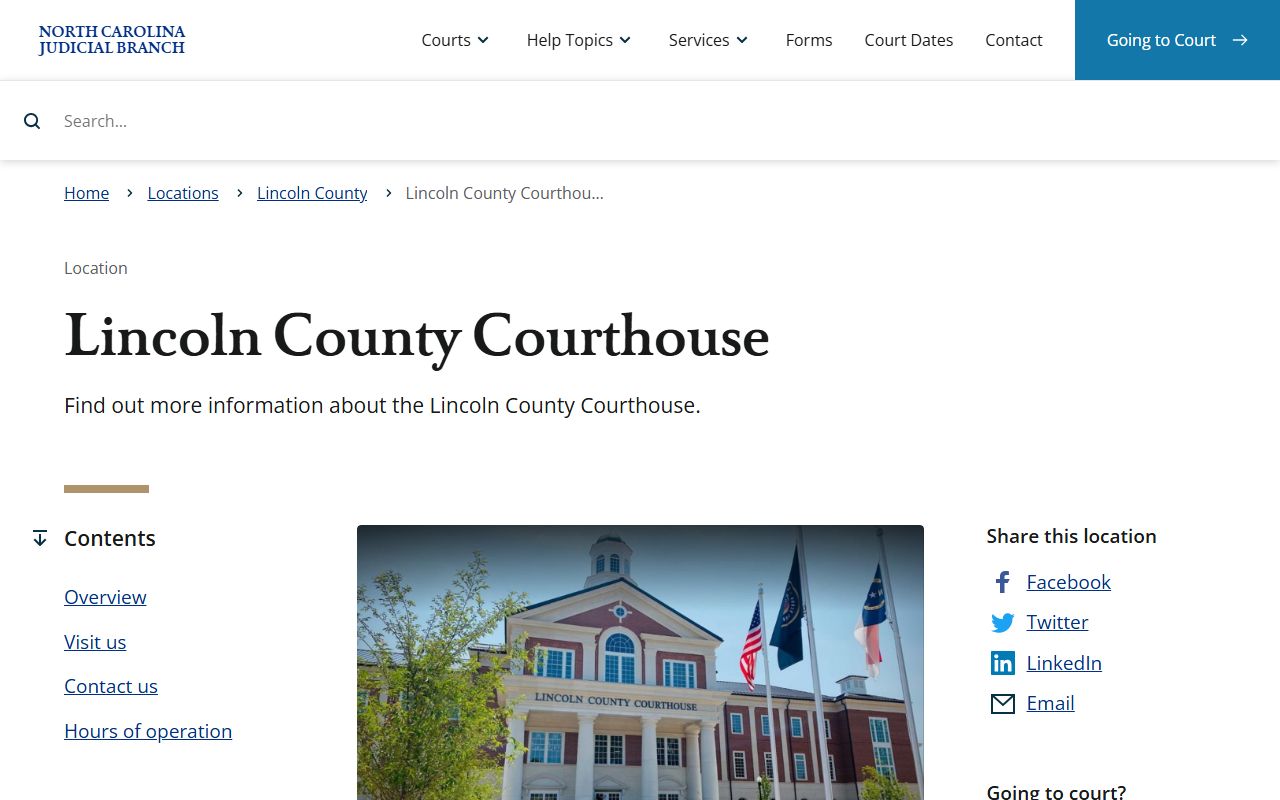
The Lincoln County courthouse is in Lincolnton. All probate court records for the county are filed and stored here. Residents of Lincolnton, Denver, and other communities in Lincoln County use this location for estate matters. The office is open Monday through Friday.
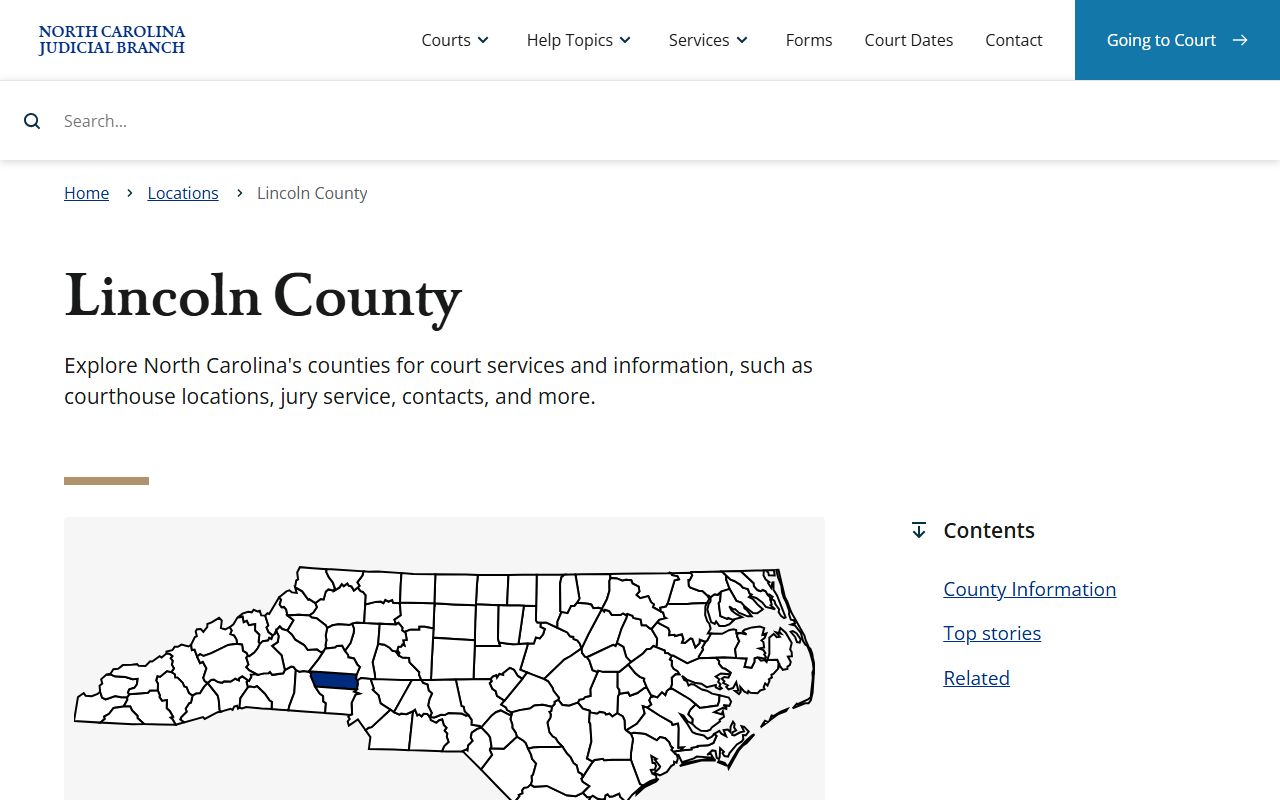
Find court details at the NC Judicial Branch website for Lincoln County.
| Court |
Lincoln County Clerk of Superior Court Lincoln County Courthouse Lincolnton, NC 28092 Phone: (704) 736-8530 |
|---|---|
| Hours | Monday through Friday, 8:00 AM to 5:00 PM |
| Website | nccourts.gov/locations/lincoln-county |
Search Lincoln County Probate Records
You can search probate court records in Lincoln County through the state court system online or by visiting the courthouse. Both methods provide access to estate case information.
The NC eCourts portal offers free searches by party name or case number. You can view basic case data such as filing dates and party names. For full documents, visit the clerk office in Lincolnton. Staff can pull estate files for your review and provide copies.
Bring these details when you search:
- Full name of the deceased
- Approximate year of death or filing
- Case number if available
Lincoln County probate court records are public records. You do not need to be a party to the estate to request access.
Lincoln County Estate Process
Filing an estate in Lincoln County follows the procedures in N.C.G.S. Chapter 28A. The Clerk of Superior Court has jurisdiction over all estate matters for the county.
With a will, the executor files the original document, a certified death certificate, and Form AOC-E-201. The clerk admits the will to probate and the executor qualifies. Without a will, a family member applies to serve as administrator. The clerk appoints the administrator and issues letters of administration.
The personal representative publishes a Notice to Creditors for four weeks, gathers assets, pays debts and taxes, and distributes the remaining estate. Every document filed becomes part of the probate court records at the Lincoln County courthouse.
Note: Claims for property division must be filed before the estate is closed, or those claims may be lost under North Carolina law.
Probate Fees in Lincoln County
Lincoln County uses the standard North Carolina fee schedule under N.C.G.S. 7A-307.
Standard fees include:
- Estate opening fee: $120.00
- Administration assessment: 0.4% of estate value, max $6,000
- Certified copies: approximately $5.00
- Creditor notice: $50 to $150
Bond premiums and attorney fees are separate costs. Call the Lincoln County clerk to confirm current fees before filing.
Small Estates in Lincoln County
Lincoln County offers the small estate affidavit for estates with personal property worth $20,000 or less under N.C.G.S. 28A-25-1. Surviving spouses who are sole heirs may use it for estates up to $30,000. Wait 30 days, then file Form AOC-E-203B with a death certificate, asset list, and photo ID. The fee is $120.
Real property is excluded from this process. The affidavit creates a probate court record at the Lincoln County clerk office.
Historical Lincoln County Probate Records
Lincoln County was formed in 1779 from Tryon County. It is named after Benjamin Lincoln, a major general in the Revolutionary War. The county covers 305 square miles in the western Piedmont of North Carolina, just west of Charlotte.
Estate records from Lincoln County date to the late 1700s. The courthouse in Lincolnton holds post-1868 probate court records. The North Carolina State Archives in Raleigh has microfilm of earlier records including wills, inventories, and administration bonds.
Lincoln County was once part of the Carolina Gold Rush region. Its estate records from the early 1800s sometimes reference gold mining operations and mineral rights. These records are valuable for historians and genealogists studying the early economy of western North Carolina.
Lincoln County was formed in 1779 from Tryon County. The county seat is Lincolnton. The current population is about 97,611. That growth means the clerk office handles a steady volume of estate filings each year. The county sits just west of Charlotte in the Piedmont region. Many new residents have moved to Lincoln County in recent decades. As the population grows, so does the number of probate court records on file.
Lincolnton has a well-preserved historic downtown. The courthouse is centrally located. Visitors can reach it easily from Highway 321 or Interstate 85. The clerk office processes both new estate filings and requests for older records. Staff can help you identify the correct file. Bring as much detail as possible about the deceased. A year of death narrows the search. A case number speeds it further. Lincoln County probate court records are organized by year and case type. The office is open five days a week and can be reached at (704) 736-8530.
Browse Nearby County Records
These counties neighbor Lincoln County. Probate court records are filed in the county where the deceased person lived at the time of death.