
Locate New Hanover Probate Records
New Hanover County probate court records are maintained by the Clerk of Superior Court in Wilmington. The county sits on the southeastern coast of North Carolina and is home to over 243,000 people. The Estates Division manages wills, estate administration, and guardianship cases for all residents of the county. As a major coastal county with a long history, New Hanover has probate court records going back to the early colonial period. Searching these records is available to the public in person and through online tools.
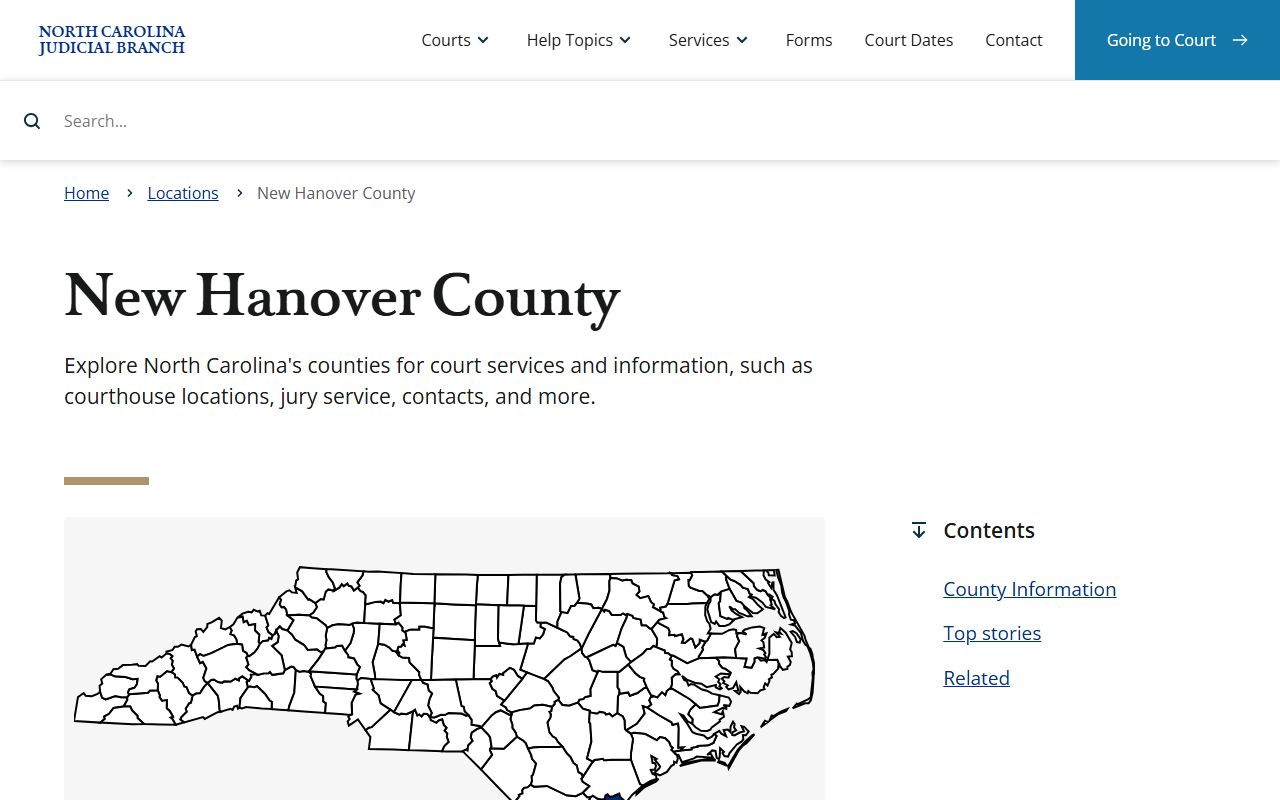
New Hanover County Quick Facts
New Hanover County Estates Division
The New Hanover County Clerk of Superior Court serves as the judge of probate. The Estates Division in Wilmington handles all estate proceedings including wills, estate administration, and guardianships. The office maintains complete probate court records and provides public access during regular business hours. Staff can assist you in locating estate cases and requesting copies of filed documents.
New Hanover County was formed in 1729 from Craven County, making it one of the oldest counties in North Carolina. It was named after the royal House of Hanover, the family of the English monarchy. Wilmington serves as the county seat and is the largest city in the region. The county covers 329 square miles, including barrier islands and coastal waterways. All estate cases for residents of New Hanover County are filed at the courthouse in Wilmington.
The Wilmington area has grown rapidly in recent years. Wrightsville Beach, Carolina Beach, and Kure Beach are all within New Hanover County, and their residents file probate court records through the same courthouse.
The NC Judicial Branch directory at nccourts.gov provides the latest contact details for the New Hanover County Estates Division.
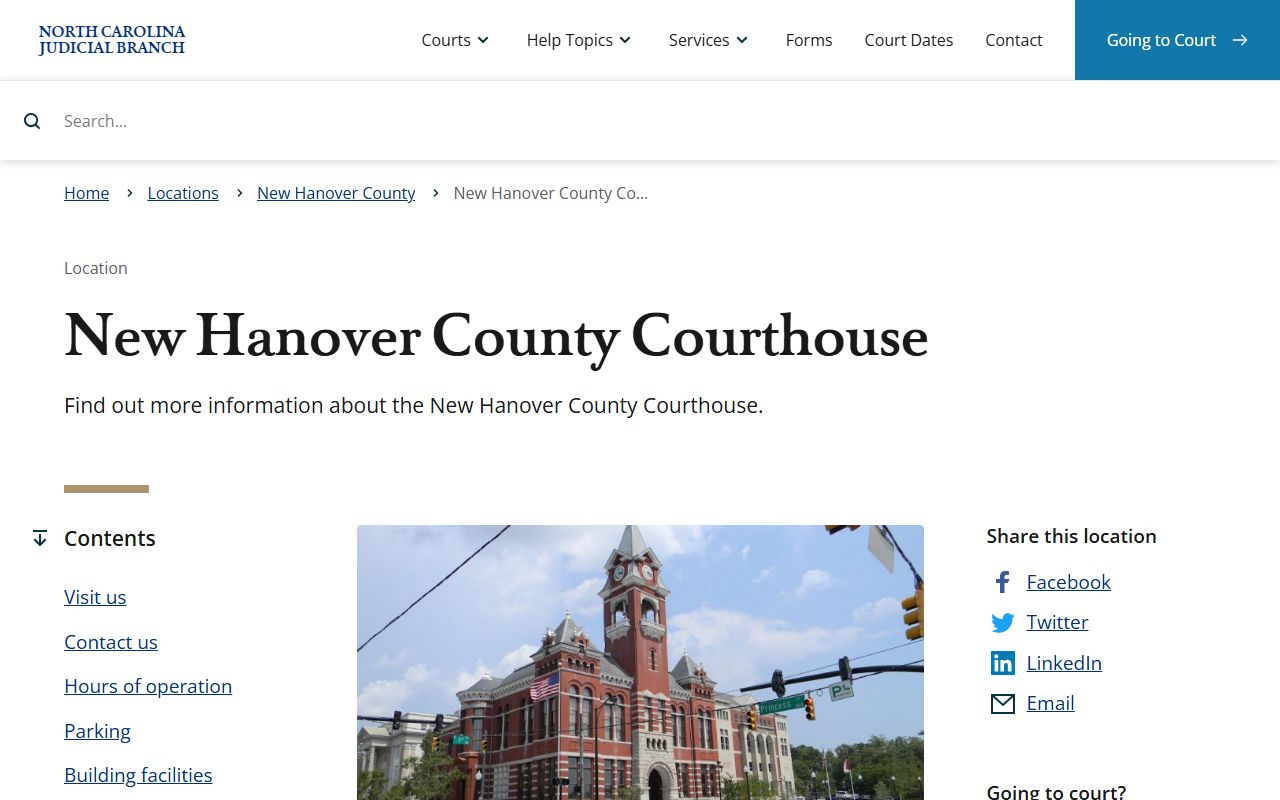
| Court |
New Hanover County Clerk of Superior Court Wilmington, NC Phone: Check nccourts.gov for current number |
|---|---|
| Hours | Monday through Friday, 8:30 AM to 5:00 PM |
| Website | nccourts.gov/locations/new-hanover-county |
How to Search New Hanover County Records
Searching probate court records in New Hanover County can be done at the courthouse in Wilmington. Visit the Estates Division during office hours with a valid photo ID. Staff can look up estate cases by the deceased person's name or by case number. They will pull up the file and let you review it. You can request plain or certified copies of any document on file.
The North Carolina eCourts portal offers online access to court records. Go to nccourts.gov to search for probate court records in New Hanover County. Enter a party name or case number. Basic case details are free. For full documents or certified copies, contact the clerk or visit the Wilmington courthouse.
You can also call the clerk's office to ask about a specific case before visiting. Staff can confirm if an estate is on file and tell you what documents are available. This can save time if you are coming from out of the area.
To search probate court records in New Hanover County, you will need:
- Full name of the deceased person
- Approximate date of death or year
- Case number if known
- Valid photo ID for in-person visits
Note: New Hanover County processes a high volume of estate cases due to its growing population. Calling ahead is recommended during busy periods.
New Hanover Estate Administration
The estate process in New Hanover County follows North Carolina state law. It starts at the Estates Division in Wilmington. Bring the original will, a certified death certificate, and information about the deceased person's assets. The clerk reviews the will and begins probate. If there is no will, the estate goes through intestate administration. The clerk appoints a personal representative who must take an oath at the courthouse before they can act.
After qualification, the representative publishes a Notice to Creditors in a Wilmington newspaper for four consecutive weeks. Creditors have 90 days from the first publication date to file claims against the estate. An inventory of all estate assets must be filed within 90 days of the representative's qualification. The inventory lists each asset and its value at the date of death. Annual accounts must also be filed with the New Hanover County clerk. These filings become part of the probate court records for the estate.
New Hanover County offers both common form and solemn form probate. Common form does not require a hearing but remains open to challenge for three years. Solemn form includes notice to all parties and a hearing, making the probate final immediately. The type you choose depends on family dynamics and whether heirs agree on the will's validity.
Once debts are resolved and the creditor period passes, the remaining estate assets go to the beneficiaries. The representative files a final account with the clerk. After approval, the estate case closes. Simple estates may take six to nine months. More involved cases with real estate, business interests, or disputes can last much longer in New Hanover County.
Probate Fees in New Hanover County
New Hanover County follows the statewide fee schedule for all estate filings and probate court records. The Clerk of Superior Court collects fees at the time of filing. Confirm amounts with the clerk before you submit paperwork.
Standard fees for estate matters in New Hanover County include:
- Application to open an estate: $120
- Estate administration fee: 0.4% of estate value, maximum $6,000
- Certified copies of letters: about $5 per copy
- Notice to Creditors: $50 to $150 depending on the newspaper
- Bond premium: varies by estate size
Bond is required unless the will waives it or all heirs give consent. North Carolina allows up to 5% of an estate's receipts and disbursements as compensation for the personal representative. The clerk approves the final amount. Low-income filers in New Hanover County may apply for a fee waiver through a Petition to Proceed as an Indigent.
Small Estates in New Hanover County
New Hanover County allows a simpler process for small estates through the Collection by Affidavit method. This path avoids the full probate process and creates fewer probate court records.
The affidavit applies when the deceased person's personal property is $20,000 or less. If the applicant is the surviving spouse and sole heir, the cap is $30,000. At least 30 days must pass after the date of death. Real property that must be sold within two years makes the affidavit unavailable. File Form AOC-E-203B at the New Hanover County clerk's office with a certified death certificate, the original will if any, asset details, a photo ID, and the $120 filing fee.
Note: The small estate affidavit applies only to personal property in New Hanover County. Real estate, including coastal property and homes, follows a separate legal process regardless of value.
Historical Probate Court Records in New Hanover
New Hanover County is one of the oldest counties in North Carolina, formed in 1729. Probate court records from the colonial era include wills, inventories, and estate papers that reflect the port city economy of early Wilmington. Ships, cargo, dockside warehouses, and enslaved persons appear in some of the earliest estate inventories. These records are of great value to historians and genealogists.
The courthouse in Wilmington holds probate court records spanning nearly three centuries. For very old records, the North Carolina State Archives in Raleigh may have microfilm copies. Pre-1760 wills were often recorded by the colonial Secretary's Office. Pre-1868 records are available in the State Archives' Reading Room. Visit archives.ncdcr.gov to plan a research trip.
The county played an important role in the Cape Fear region's development. Wilmington was one of the busiest ports in the colonial South. The probate court records from this period provide a window into the commerce and daily life of the area. Researchers tracing family lines in southeastern North Carolina should check both the New Hanover County courthouse and the State Archives for the most complete picture.
Browse Nearby Counties
These counties border New Hanover County or sit nearby along the coast. Confirm which county the deceased person lived in before filing. Estate cases must be filed in the correct county for the court to have jurisdiction over the probate court records.