
Locate Harnett County Estate Records
Harnett County probate court records are maintained at the Clerk of Superior Court in Lillington. These records include wills, estate inventories, letters testamentary, and administration files. Anyone can search for probate court records in Harnett County, whether you are a family member, an attorney, or a researcher. The clerk office provides access to both recent and older estate filings. Harnett County has kept probate court records since it was formed in 1855.
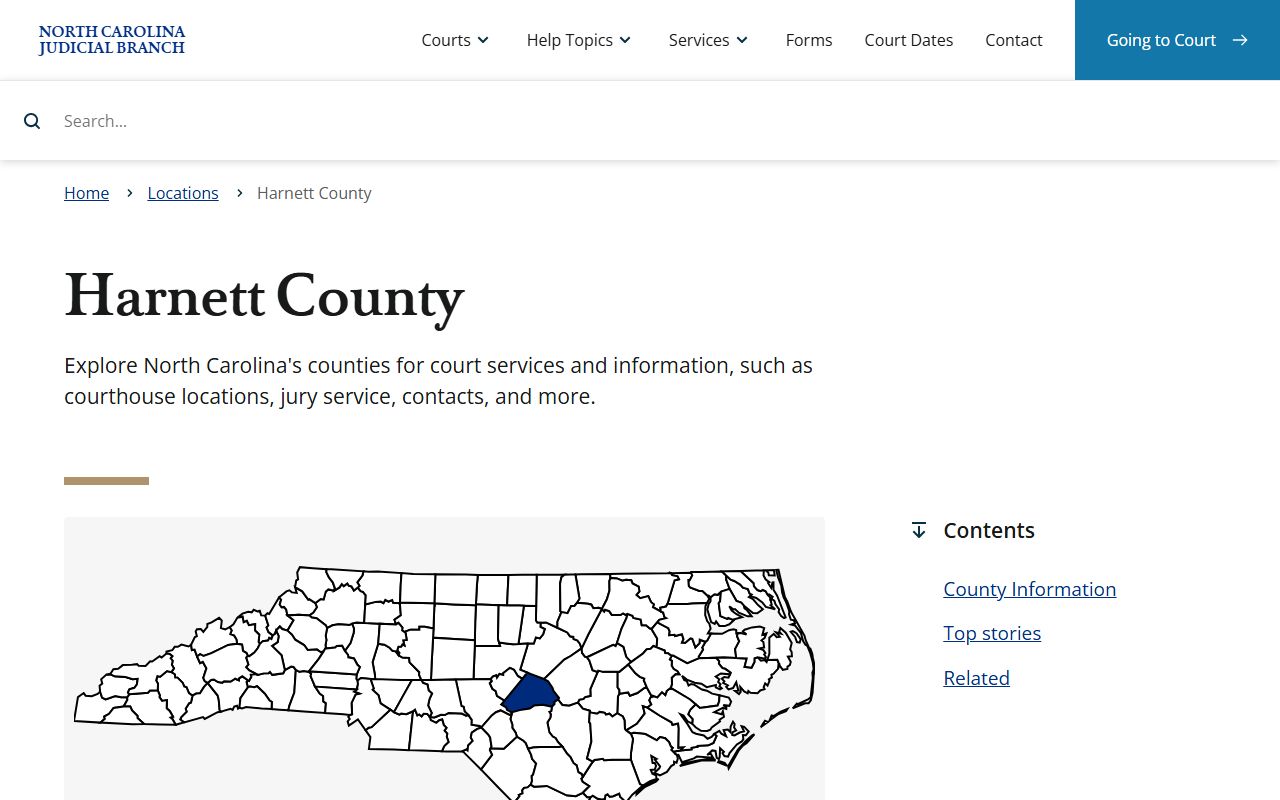
Harnett County Quick Facts
Harnett County Probate Court Clerk
Ramona Worley serves as the Harnett County Clerk of Superior Court. The clerk acts as the judge of probate for all estate matters in the county. This office manages the filing and storage of probate court records, issues letters testamentary and letters of administration, and handles guardianship proceedings.
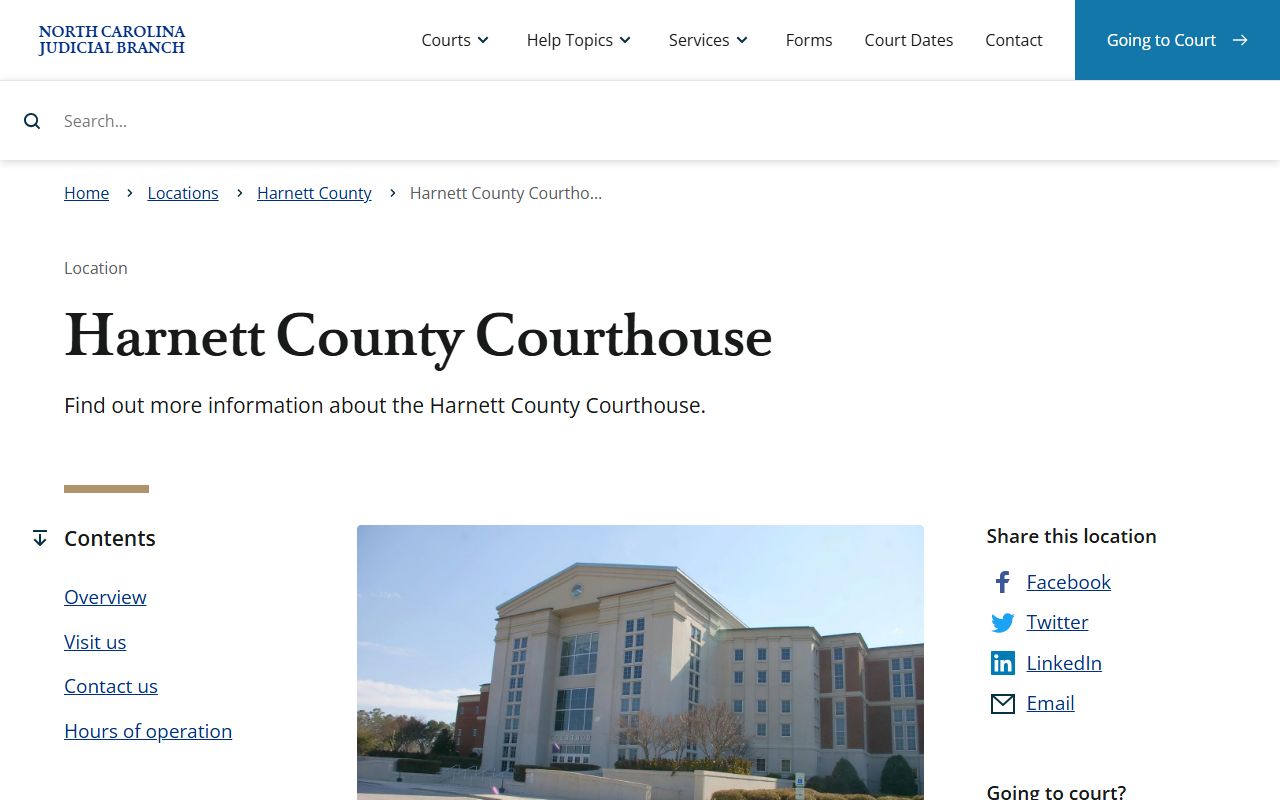
The Harnett County courthouse is located at 301 West Commerce Street in Lillington. All estate filings for Harnett County go through this one location, serving residents of Dunn, Erwin, Angier, Coats, and Lillington. The office is open Monday through Friday from 8:30 AM to 5:00 PM. Walk-ins are welcome, but calling ahead can save time.
Visit the NC Judicial Branch website for more details about the Harnett County court system.
| Court |
Harnett County Clerk of Superior Court 301 W Commerce St Lillington, NC 27546 Phone: (910) 893-4211 |
|---|---|
| Hours | Monday through Friday, 8:30 AM to 5:00 PM |
| Website | nccourts.gov/locations/harnett-county |
How to Search Harnett County Records
There are two main ways to search probate court records in Harnett County. You can visit the clerk office in person or use the state court system online. Each method has its advantages depending on what you need.
For in-person searches, go to the courthouse in Lillington. Bring the name of the deceased and any other details you have, such as the year of death or a case number. The clerk staff can look up the estate file and show you the documents on record. You can request plain or certified copies right there.
The NC eCourts portal offers basic case lookups online. You can search by name to find estate cases filed in Harnett County. The portal shows case numbers, filing dates, and party names. For the actual documents in the file, you will need to contact the Harnett County clerk or visit in person.
Note: Public records requests can also be submitted in writing to the Harnett County Clerk of Superior Court for probate court records you cannot access online.
Harnett County Estate Filing Process
Filing a new estate in Harnett County starts with an application to the Clerk of Superior Court. You file in Harnett County if the deceased person lived here at the time of death. The clerk has jurisdiction over estate proceedings under North Carolina law.
When a person dies with a will, the executor named in the will brings the original document to the clerk along with a certified death certificate and Form AOC-E-201. The clerk reviews the application and admits the will to probate if everything is in order. The executor takes an oath and may need to post bond. After qualification, the clerk issues letters testamentary. These letters give the executor legal authority to act on behalf of the estate.
When there is no will, a family member or other interested person can apply to be appointed as administrator. The clerk issues letters of administration in these cases. The administrator has the same duties as an executor. They must gather assets, pay debts, publish a Notice to Creditors, and distribute the remaining property according to North Carolina intestacy law under N.C.G.S. Chapter 29.
All paperwork filed during this process becomes part of the probate court records at the Harnett County courthouse.
Harnett County Probate Filing Fees
Harnett County uses the statewide fee schedule for probate matters. The clerk collects these fees when you file your application. Fees are set by N.C.G.S. 7A-307.
Standard probate fees in Harnett County are:
- Application to open estate: $120.00
- Estate administration fee: 0.4% of probate value, capped at $6,000
- Certified copy of letters: about $5.00
- Publication of Notice to Creditors: $50 to $150
- Bond premium: 0.5% to 1% of bond amount per year
Attorney fees for estate work in North Carolina typically range from 2% to 4% of the estate value. The personal representative may receive up to 5% of estate receipts and disbursements as compensation. Contact the Harnett County clerk to verify current fees before filing.
Small Estate Options in Harnett County
Harnett County residents may be able to skip formal probate for modest estates. North Carolina law under N.C.G.S. 28A-25-1 allows a small estate affidavit when personal property does not exceed $20,000. The threshold is $30,000 if the applicant is the surviving spouse and sole heir.
The applicant must wait at least 30 days after the date of death before filing. You need a certified death certificate, a completed Form AOC-E-203B, an itemized list of the assets, and your photo ID. The filing fee is $120. Real property cannot be transferred through this process.
Even a small estate affidavit creates a probate court record in Harnett County. The clerk files the affidavit, and it becomes part of the public record. If you are unsure whether the estate qualifies, the Harnett County clerk office can help you figure out which path to take.
Historical Estate Records for Harnett County
Harnett County was created in 1855 from Cumberland County. Probate court records from the earliest years of the county are still on file. These early records include handwritten wills, inventories of personal property, and bonds posted by estate administrators. They paint a picture of life in rural North Carolina before and after the Civil War.
The North Carolina State Archives in Raleigh holds microfilm copies of pre-1868 Harnett County estate records. The archives reading room is open to the public and free to use. Post-1868 probate court records remain at the Harnett County courthouse in Lillington. Researchers looking for very old records should check both locations.
Genealogy databases such as FamilySearch may have indexed some Harnett County probate court records. These can be useful starting points for family history research. However, for complete and certified copies, you will need to visit the courthouse or the state archives.
Note: Original wills from before 1760 across North Carolina are held in the Secretary of State Papers collection at the State Archives, though Harnett County did not yet exist at that time.
Browse Nearby County Records
These counties share a border with Harnett County. Estate cases are filed in the county where the deceased person lived. Make sure you are searching in the right county for the probate court records you need.